Traveling can often feel synonymous with dragging heavy suitcases across cobblestone streets and waiting endlessly at luggage carousels. The constant worry of lost checked bags or hidden airline fees adds unnecessary friction to any journey. Adopting the principles of one bag travel solves these common pain points by simplifying your luggage footprint. By limiting yourself to a single bag, you shift your focus from managing belongings to actually experiencing your destination. This guide provides a comprehensive overview of the minimalist travel lifestyle, essential rules, and the mindset required to travel anywhere with just one bag.
The Core Philosophy of Minimalist Travel
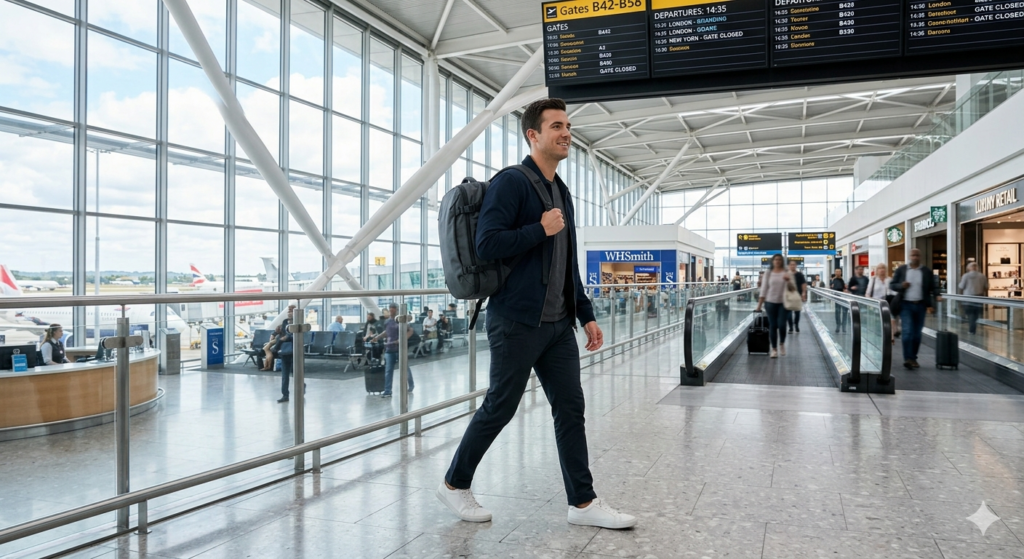
One bag travel is a minimalist approach to traveling where you pack all your belongings into a single carry-on or personal item bag. This strategy eliminates checked luggage fees, prevents lost bags, increases mobility, and significantly reduces travel-related stress through intentional packing.
Embracing this lifestyle requires a mental shift. Instead of packing for every possible “what if” scenario, minimalist travel focuses on packing only what is truly necessary. This intentional approach forces you to evaluate the utility of every item.
The resulting freedom is substantial. Navigating public transit, climbing stairs, and walking between accommodations become effortless tasks rather than exhausting chores. By packing light, you regain time and physical energy that would otherwise be spent managing excessive luggage.
Choosing the Right Travel Gear
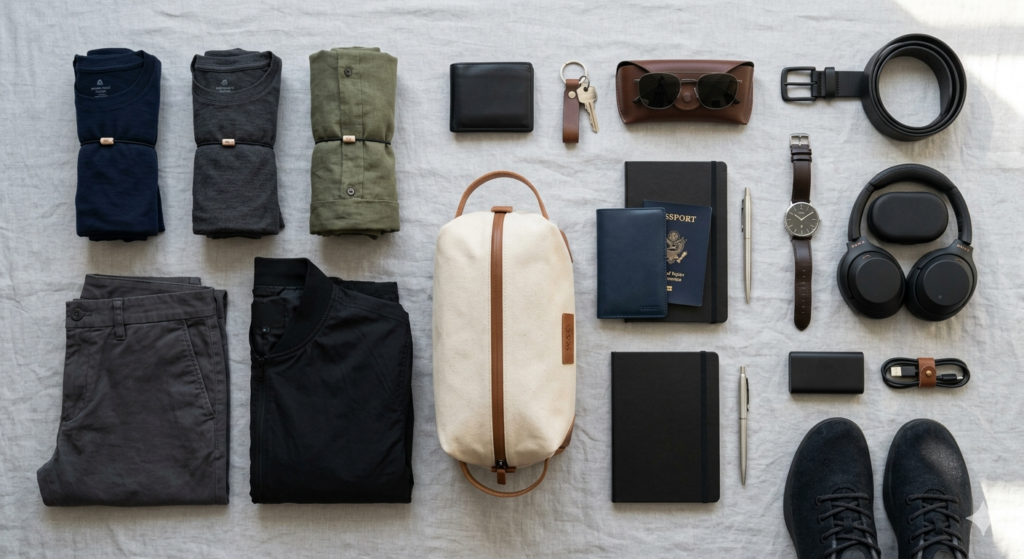
The foundation of successful one bag travel is the bag itself. Selecting a piece of luggage that fits airline dimensions while maximizing internal space is crucial. When evaluating travel gear, prioritize durability, comfort, and a clamshell opening for easy access to your belongings.
For most travelers, a high-quality 30L-40L travel backpack provides the ideal balance between packing capacity and airline compliance. This size range generally fits within standard overhead bin requirements for major airlines while offering enough space for a week or more of clothing.
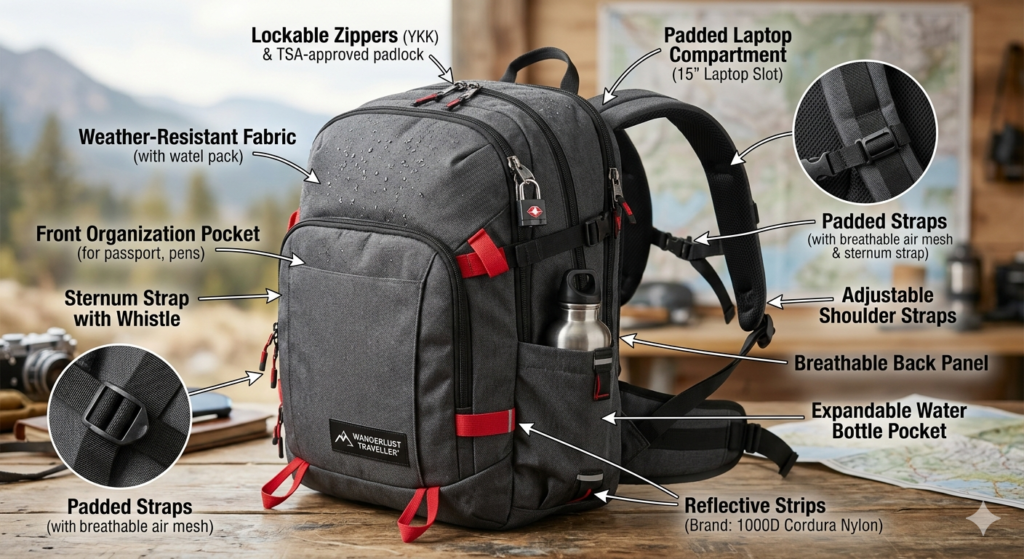
Key features to look for in your primary bag include:
- Weather resistance: To protect your items from unexpected rain.
- Padded hip belts: To distribute weight away from your shoulders.
- Lockable zippers: For added security in crowded areas or hostels.
- Internal compression straps: To secure clothing and maximize usable space.
Navigating Personal Item Travel vs. Carry-On
Understanding airline luggage categories is essential for avoiding surprise fees at the gate. A standard carry-on bag is designed to fit in the overhead bin. Conversely, personal item travel refers to a smaller bag that must fit entirely under the seat in front of you.
Budget airlines strictly enforce these dimensions. While a 40L backpack usually qualifies as a carry-on, a 20L to 28L bag is typically required for personal item travel. Transitioning to personal item size requires stricter discipline but offers the highest level of financial savings and mobility.
Always check your specific airline’s size and weight restrictions before packing. Dimensions vary slightly between carriers, and international flights often enforce strict weight limits (commonly 7kg to 10kg) for cabin baggage.
Essential Strategies for Packing Light
Successfully fitting everything into one bag relies on a few core packing strategies. First, coordinate your wardrobe around a single color palette. This allows every shirt to match every pair of pants, creating multiple outfits from a small number of items.
Next, prioritize versatile clothing made from appropriate fabrics. Materials that dry quickly and resist odors will allow you to wear items multiple times between washes. Layering lightweight garments is far more space-efficient than packing single, bulky cold-weather items.
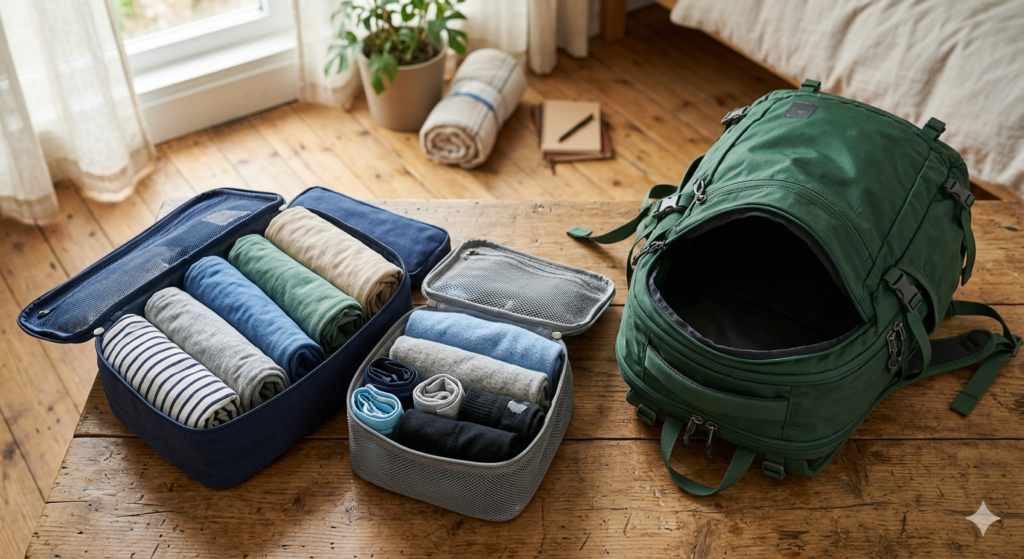
Finally, utilize space-saving techniques and tools. Rolling clothes or using compression cubes will condense your wardrobe significantly. Decanting liquid toiletries into smaller bottles ensures you adhere to airport security rules while minimizing bulk.
Conclusion
Transitioning to one bag travel transforms the way you experience the world. By selecting the right travel gear, adopting a minimalist mindset, and applying smart packing light strategies, you eliminate the physical and mental burdens of heavy luggage. Whether you are taking a weekend trip or a multi-month international journey, traveling with a single bag ensures you remain agile, organized, and focused on the adventure ahead.
Frequently Asked Questions (FAQ)
Can I travel indefinitely out of one bag?
Yes, indefinite travel with one bag is highly achievable. The packing list for a one-week trip is virtually identical to a one-year trip. The key is doing laundry regularly on the road and packing clothing suitable for layering in different climates.
What size bag is best for one bag travel?
A bag between 30 and 40 liters is generally considered the sweet spot for a standard carry-on. If you are aiming strictly for under-seat personal item travel, a bag between 20 and 28 liters is recommended.
How do I handle souvenirs when traveling with one bag?
Minimalist travelers often opt for consumable souvenirs like local coffee or spices, or small items like postcards and jewelry. Alternatively, you can pack a compressible, lightweight tote bag to use as an overflow personal item on your return flight.
What about packing formal wear or bulky shoes?
Wear your bulkiest items (like hiking boots or a heavy jacket) on the airplane to save space in your bag. For formal wear, utilize folding techniques designed to minimize wrinkles, or pack items made from wrinkle-resistant technical fabrics.