Traveling with a limited wardrobe often means spending your evenings washing clothes in a tiny hotel sink. Standard cotton shirts retain moisture, absorb sweat, and become uncomfortable to wear after just a few hours of exploring a new city. The solution to this common travel frustration lies entirely in the materials you choose to pack. Understanding merino wool travel benefits reveals exactly why minimalist travelers universally consider it the holy grail of fabrics. This guide explores the science behind this unique material and why it outperforms traditional textiles on the road.
What Makes Merino Wool the Ultimate Travel Fabric?
What are merino wool travel benefits? The primary merino wool travel benefits include natural odor resistance, excellent temperature regulation, and rapid moisture wicking. These unique properties allow travelers to pack fewer garments and wear the same items multiple times without washing, making it the ultimate fabric for minimalist packing.
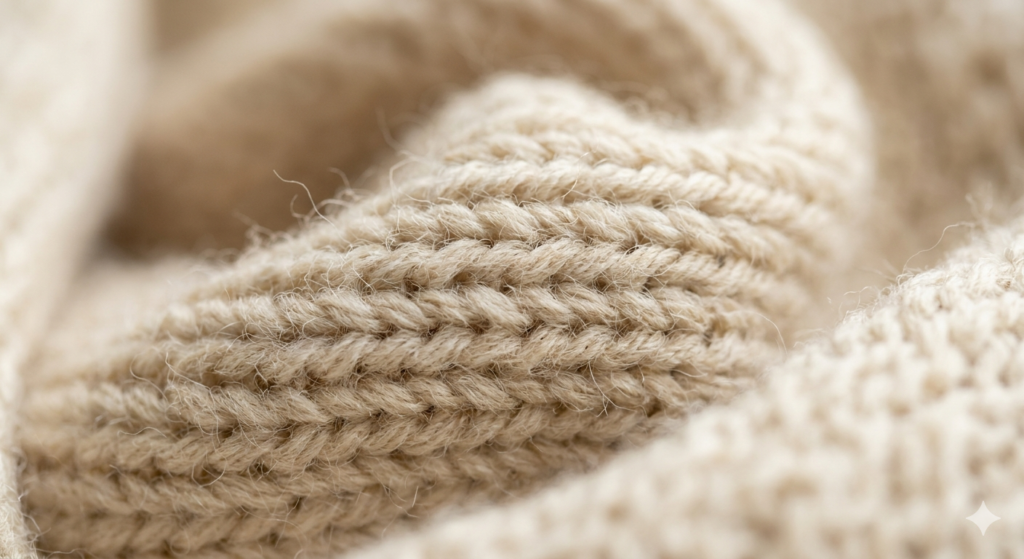
Merino wool comes from the Merino sheep, a breed that thrives in extreme, rugged environments where temperatures fluctuate wildly. To survive these harsh conditions, the sheep grow a fleece that is incredibly fine, highly insulating, and highly breathable. When spun into yarn, these natural survival properties transfer directly to the clothing.
Unlike traditional ragg wool, which is thick and famously scratchy, merino fibers are a fraction of the diameter of a human hair. This ultra-fine micron count ensures the fabric bends smoothly against your skin rather than poking it, resulting in a remarkably soft and comfortable garment.

The Science of Odor Resistant Clothing
The most celebrated advantage of merino is its ability to remain fresh after days of continuous wear. Creating effective odor resistant clothing is difficult with synthetics because bacteria thrive on the smooth surfaces of polyester fibers. However, merino wool utilizes a completely different chemical and structural approach to handle sweat.
First, the outer layer of the wool fiber has a waxy coating containing lanolin, which naturally inhibits the growth of odor-causing bacteria. Second, the fibers aggressively absorb moisture vapor from your skin before it can condense into liquid sweat, depriving bacteria of the damp environment they need to multiply.
Because of this natural defense system, a high-quality merino wool base layer t-shirt can easily be worn for multiple days of heavy activity without developing an unpleasant smell. This drastic reduction in laundry frequency allows you to travel for months with only a few shirts.
Dynamic Temperature Regulation
A common misconception is that wool is strictly for freezing winter climates. In reality, one of the most critical merino wool travel benefits is its dynamic temperature regulation. The natural crimp of the wool fiber creates millions of microscopic air pockets within the fabric.
In cold weather, these tiny pockets trap your body heat, creating a highly effective insulating layer. Conversely, in hot environments, the wool actively pulls excess heat and moisture vapor away from your skin, releasing it into the air to keep you cool.
This adaptability makes it the perfect material for moving between freezing airplane cabins and sweltering tropical destinations. If you are planning a multi-climate trip, packing these adaptable layers is essential. You can learn exactly how to structure this type of versatile wardrobe in our comprehensive guide on How to Create a Travel Capsule.
Breathable Travel Shirts and Moisture Wicking
When selecting travel garments, breathability is just as important as insulation. Cotton acts like a sponge, absorbing up to 27% of its weight in water and refusing to let it go, which leaves you feeling clammy. Highly breathable travel shirts made from merino wool solve this by absorbing up to 30% of their weight in moisture without feeling wet to the touch.
Once the moisture is absorbed into the core of the fiber, it is quickly evaporated through the fabric’s porous exterior. This rapid moisture-wicking action ensures that even if you sweat heavily under your backpack, your shirt will dry rapidly.
This quick-drying property is also incredibly beneficial for doing laundry on the go. After washing a merino shirt in a hotel sink and rolling it in a towel to extract excess water, it will typically air-dry overnight and be perfectly ready to wear the next morning.
Conclusion
Understanding the science behind merino wool travel benefits fundamentally changes the way you approach packing. By utilizing the natural properties of this extraordinary fiber, you can build a smaller, more efficient wardrobe that requires significantly less maintenance. Investing in odor resistant clothing, prioritizing breathable travel shirts, and taking advantage of natural temperature regulation allows you to travel lighter and stay comfortable in any climate on Earth.
Frequently Asked Questions (FAQ)
Is merino wool itchy like regular wool?
No, merino wool is not naturally itchy. The “itch” of traditional wool is caused by thick, coarse fibers that poke the skin. Merino fibers are incredibly fine and flexible (typically between 15 and 19 microns), allowing them to bend softly against the skin without causing irritation.
How do I wash merino wool while traveling?
Merino wool is easy to care for on the road. Simply hand wash it in a sink using lukewarm water and a mild detergent, or use a gentle machine cycle if available. Never wring or twist the fabric; instead, gently squeeze the water out, roll it in a towel to absorb excess moisture, and lay it flat to dry.
Is merino wool clothing durable enough for long trips?
While 100% merino wool is wonderfully soft, it is naturally more delicate than thick synthetic fabrics or heavy denim. To increase longevity and durability, many premium travel brands blend merino wool with a small percentage of nylon, which strengthens the garment without sacrificing its natural benefits.